This Saturday, the 28th, from 11am the Friends will be planting lots of woodland bulbs in the park. Can you spare an hour or two to volunteer and help plant the bulbs in Chris’ Wood by the Art Pavilion?
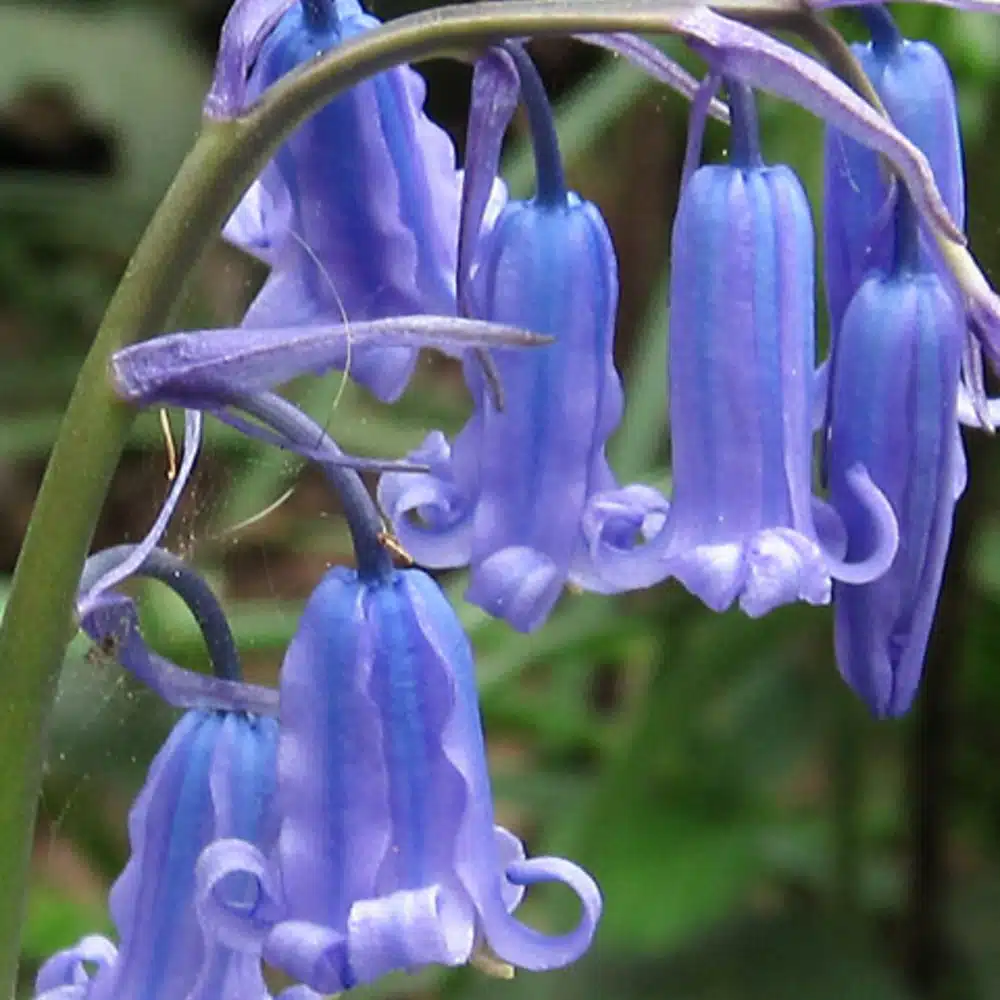
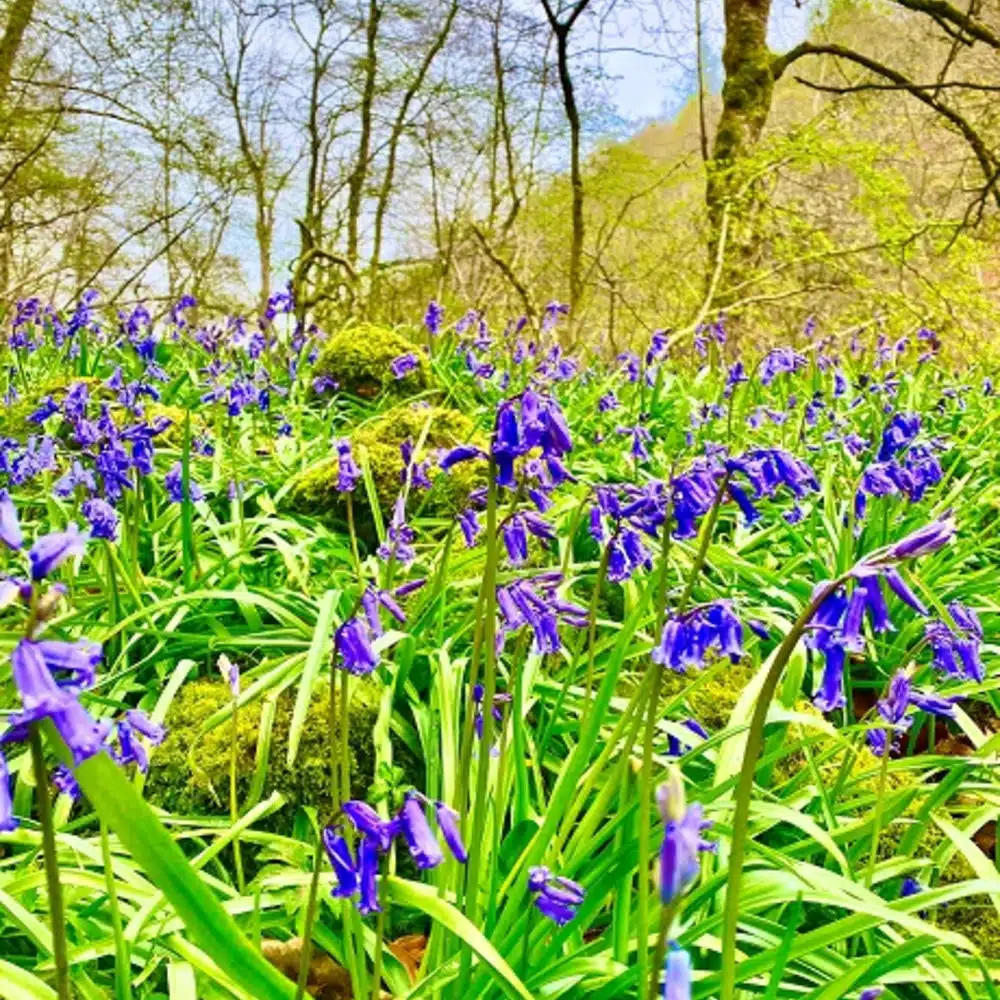
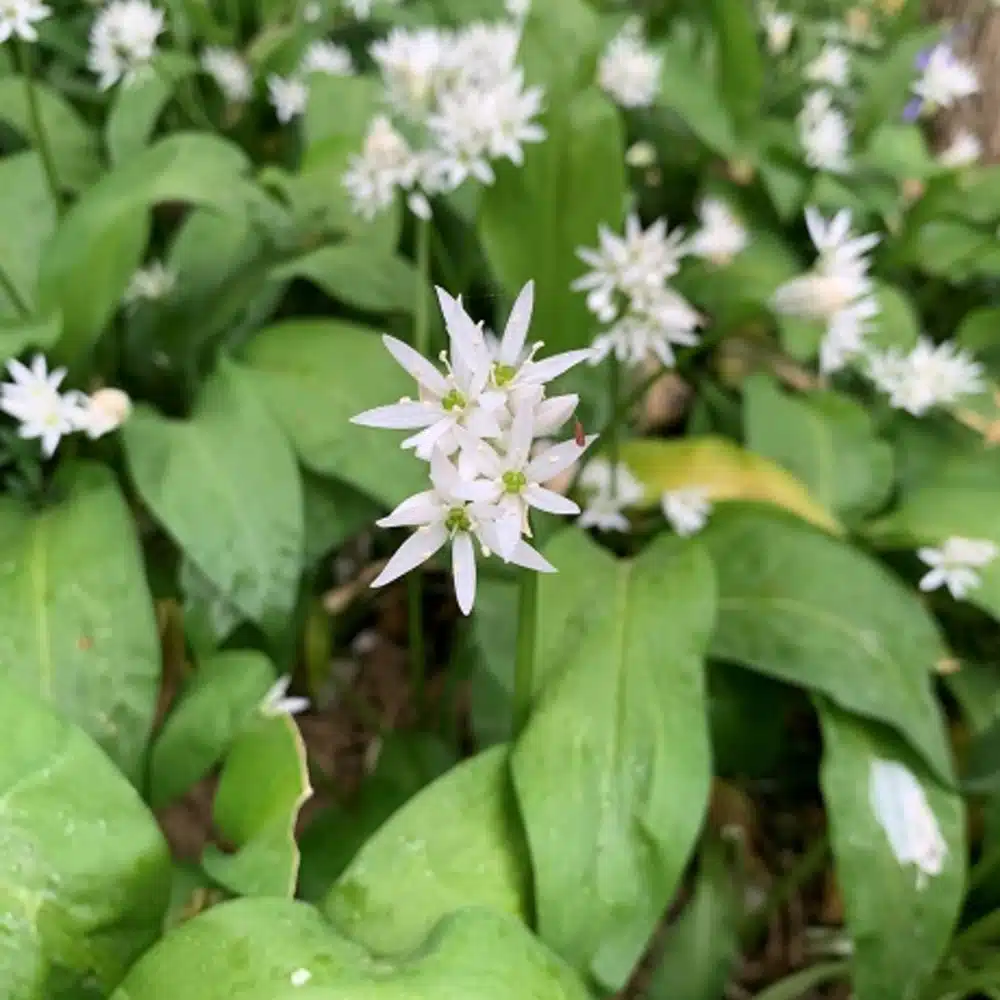
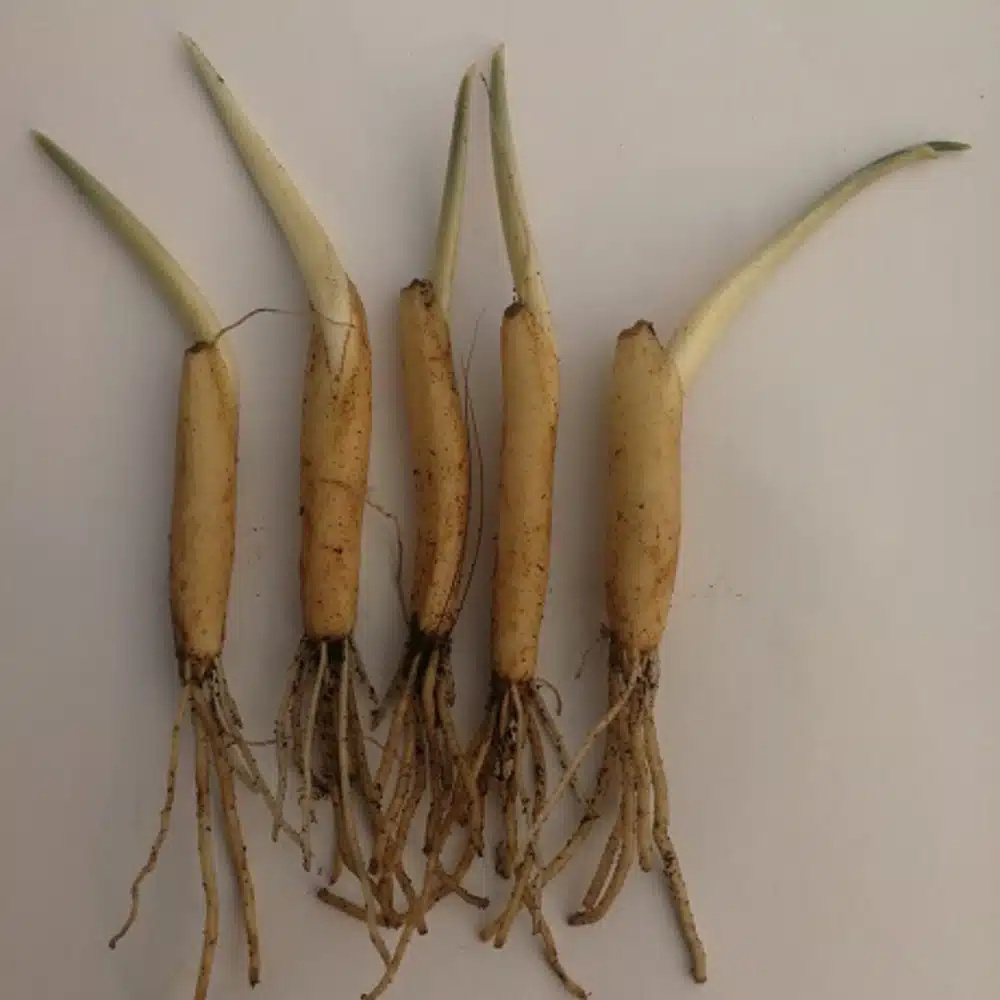
We usually plant bulbs in the Autumn, but we are going for Spring planting of “bulbs in the green” for a change. 1000 English bluebells (Hyacinthoides non-scripta) and 1000 Wild Garlic (Ramsons, Allium ursinum) are making their way to us. Both these species readily naturalise and are particularly suited to damp and shaded areas.


How can you help?
Just pop along for as little or as long as you like. Moral support helps too: If you walk by just say “Hi”.
Who can come? Anyone! We have folk of all ages come: with friends, on their own, or with their kids or grandkids. (Note: Children must be accompanied by an adult).
What to wear: Dress for the weather – so something warm and a waterproof in case of showers. We have pairs of gloves, some bulb planters and hand shovels, but it would really help if you are able to bring your own hand shovel. Something to kneel on is a good idea (a foam matt or even a plastic bag).
When to meet: This Saturday from 11 onwards.
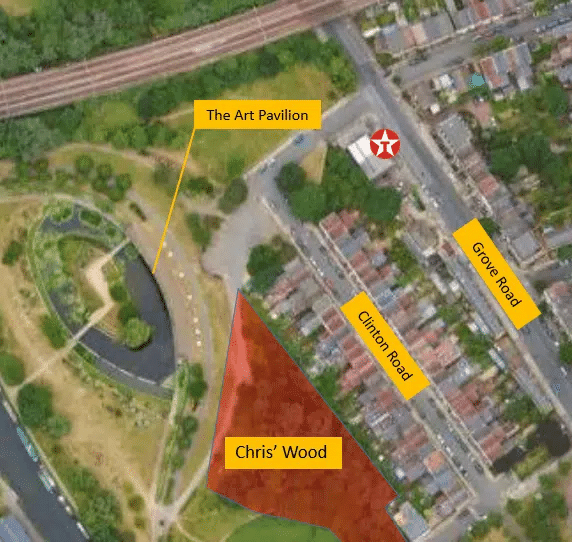
Where to meet: We will be in Chris’ Wood (see map below), which is just south of the Art Pavilion and behind Clinton Road (by the site of the old Grove Road Texaco Garage).
Why Choose Wildflower Bulbs in the Green?
Unlike dry bulbs, which are planted in the autumn, bulbs in the green are supplied in an active stage of growth with visible roots and leaves. The disadvantage of this is you have to get them in the ground quickly, but the advantages are many:
- Alive and thriving – you can see healthy leaves and roots at planting.
- Strong establishment – freshly lifted roots settle quickly into the soil.
- Fast results – many species flower within weeks.
- Simple to plant – visible stems and leaves make positioning a lot easier.
- Ideal for naturalising – they spread naturally in lawns, meadows, and woodland areas.
- Supports wildlife – early blooms provide nectar for bees and other pollinators.